Address
304 North Cardinal St.
Dorchester Center, MA 02124
Work Hours
Monday to Friday: 7AM - 7PM
Weekend: 10AM - 5PM
Address
304 North Cardinal St.
Dorchester Center, MA 02124
Work Hours
Monday to Friday: 7AM - 7PM
Weekend: 10AM - 5PM


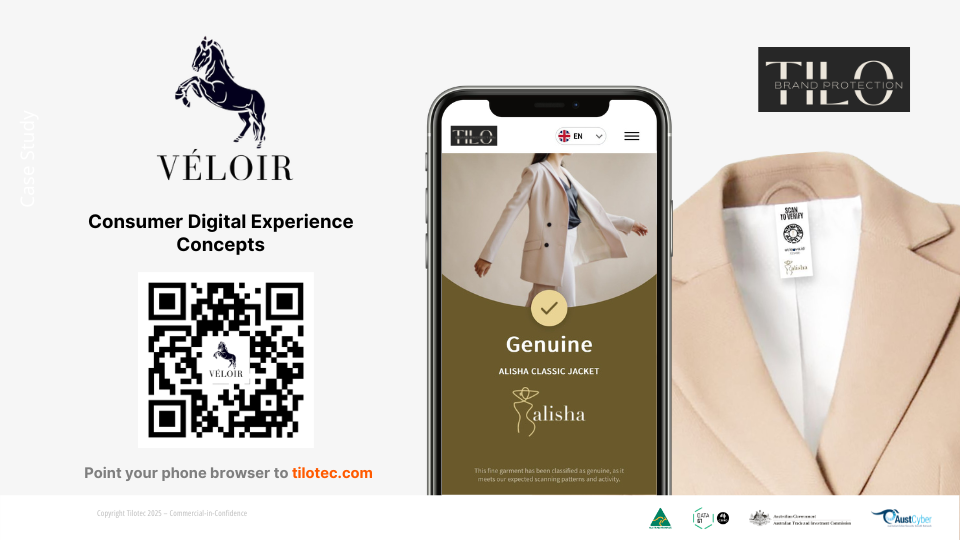
Are you looking for a Digital Product Passport DPP supply company in Dhaka, Bangladesh? Tilotec is here; just call us.
 Byadmin
Global supply chains are undergoing a historic transformation. Consumers, regulators, and international buyers increasingly demand transparency regarding the origin, sustainability, and lifecycle of products.
To address these requirements, the European Union is introducing the Digital Product Passport (DPP) as part of its Green Deal and Circular Economy initiatives. By 2030, millions of products entering European markets will require digital traceability records that document sourcing, manufacturing, environmental impact, and end-of-life information.
For exporters in developing economies such as Bangladesh, this shift presents both a challenge and a significant opportunity.
Tilotec Switzerland is bringing advanced Digital Product Passport technology to Bangladesh, enabling local manufacturers, exporters, and agricultural producers to remain competitive in global markets while building trusted, transparent, and sustainable supply chains.
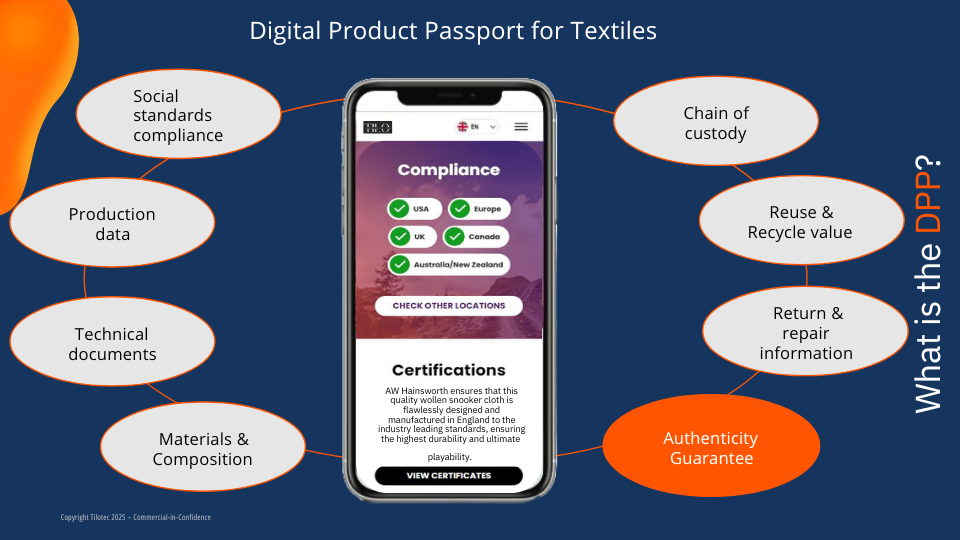
A Digital Product Passport is a secure digital identity assigned to a product that contains comprehensive information throughout its lifecycle.
A DPP may include:
Using QR codes, blockchain technology, cloud platforms, and IoT integration, stakeholders can access trusted product information instantly.
The DPP creates a digital bridge between manufacturers, suppliers, regulators, retailers, and consumers.
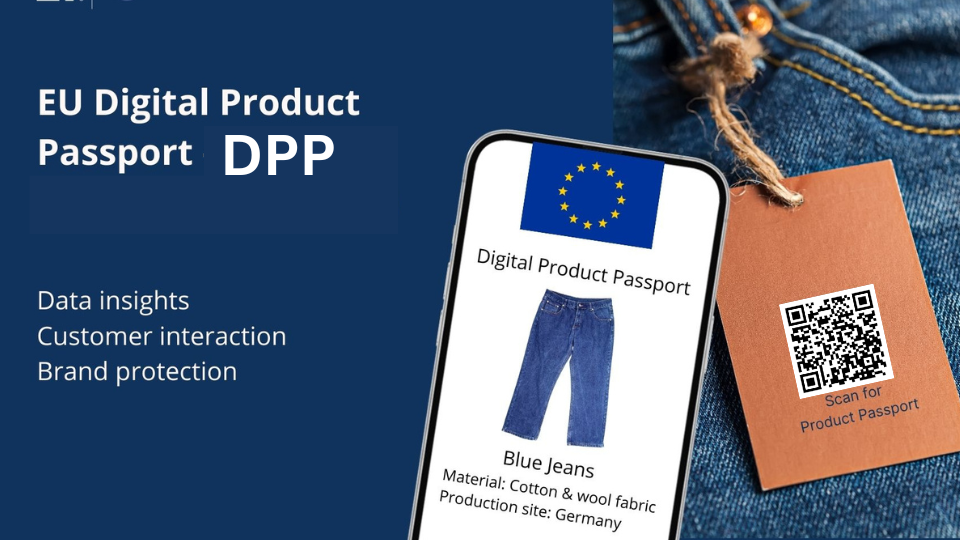
The demand for supply chain transparency is rapidly increasing worldwide.
As regulations tighten, digital traceability will become a prerequisite rather than a competitive advantage.
Bangladesh has become one of the world’s leading manufacturing and exporting nations.
Major export sectors include:
However, many exporters still rely on fragmented documentation systems, manual recordkeeping, and disconnected supply chain data.
This creates significant challenges when international buyers demand verifiable product histories.
Most supply chain participants only see a portion of the product journey.
Consequences include:
European regulations are moving toward mandatory digital traceability.
Companies unable to demonstrate compliance may face:
Many companies claim sustainability but struggle to provide verifiable evidence.
Without trusted data:
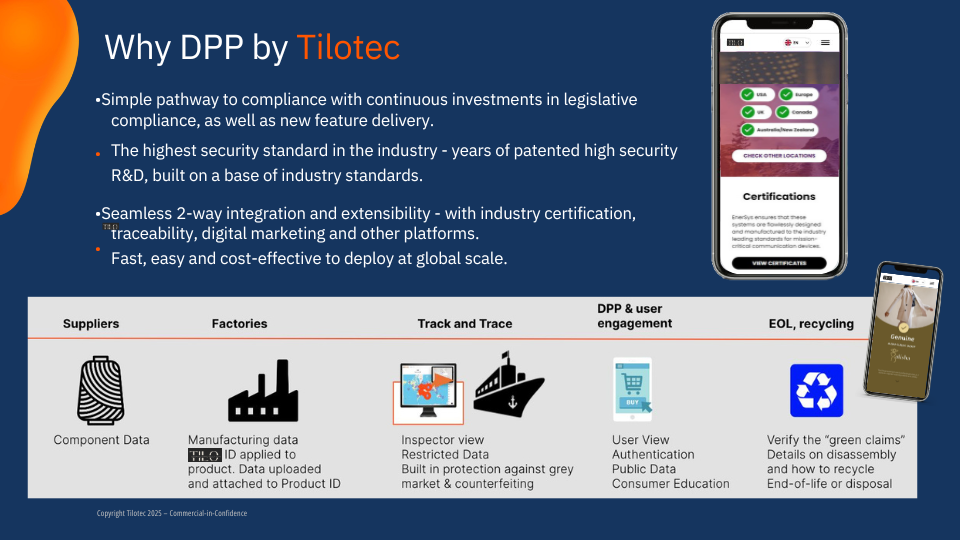
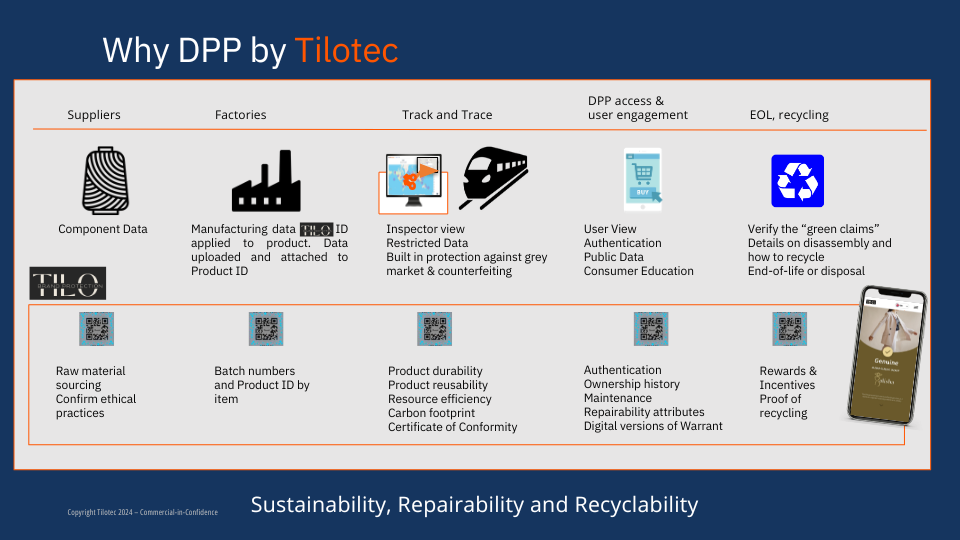
Tilotec delivers a comprehensive Digital Product Passport platform designed specifically for emerging markets and export-oriented industries.
Every product receives a unique digital identity.
The system captures information from:
This creates a complete chain of custody.
Each product can carry a secure QR code that provides instant access to verified information.
Buyers can verify:
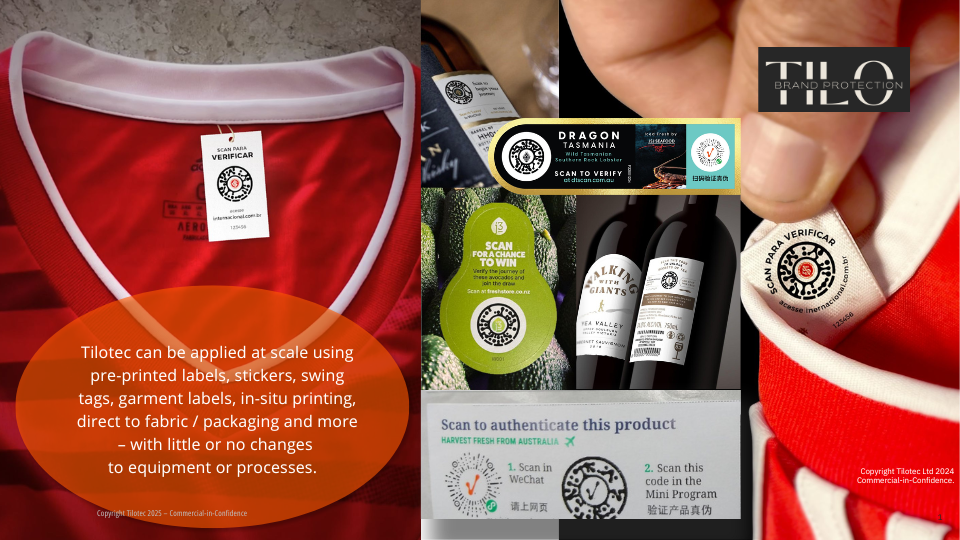
Critical supply chain events can be recorded using blockchain technology to create tamper-resistant records.
Benefits include:
The platform helps organizations measure and report:
Tilotec’s DPP solution aligns with emerging European regulatory requirements, helping Bangladeshi exporters prepare for future compliance standards.
Companies with verified traceability gain stronger positioning with international buyers.
Transparent products often command premium market pricing.
Digital verification protects brands and consumers.
Automated records simplify certification and inspection processes.
Transparent supply chains improve governance and ESG performance.
Track products from farm to consumer.
Examples:
Provide transparency from cotton sourcing to finished apparel.
Track sourcing, processing, and environmental compliance.
Improve product authenticity and patient safety.
For companies like Tilo Dried Food, DPP enables complete transparency from agricultural sourcing through export distribution.
Bangladesh’s next phase of growth depends not only on manufacturing excellence but also on digital trust.
The countries that succeed in the coming decade will be those that can prove:
Digital Product Passports provide the foundation for this future.
The Digital Product Passport is rapidly becoming a cornerstone of international trade. As Europe and other global markets move toward mandatory transparency and sustainability requirements, Bangladeshi exporters must prepare now.
Through advanced Swiss technology, Tilotec is helping Bangladesh bridge the gap between traditional manufacturing and the digital economy.
By implementing Digital Product Passports today, businesses can strengthen supply chain visibility, improve compliance, increase buyer trust, and unlock new opportunities in global markets.
Tilotec Switzerland is not merely introducing a technology platform—it is enabling Bangladesh to become a trusted, transparent, and future-ready participant in the global supply chain ecosystem.