Address
304 North Cardinal St.
Dorchester Center, MA 02124
Work Hours
Monday to Friday: 7AM - 7PM
Weekend: 10AM - 5PM
Address
304 North Cardinal St.
Dorchester Center, MA 02124
Work Hours
Monday to Friday: 7AM - 7PM
Weekend: 10AM - 5PM


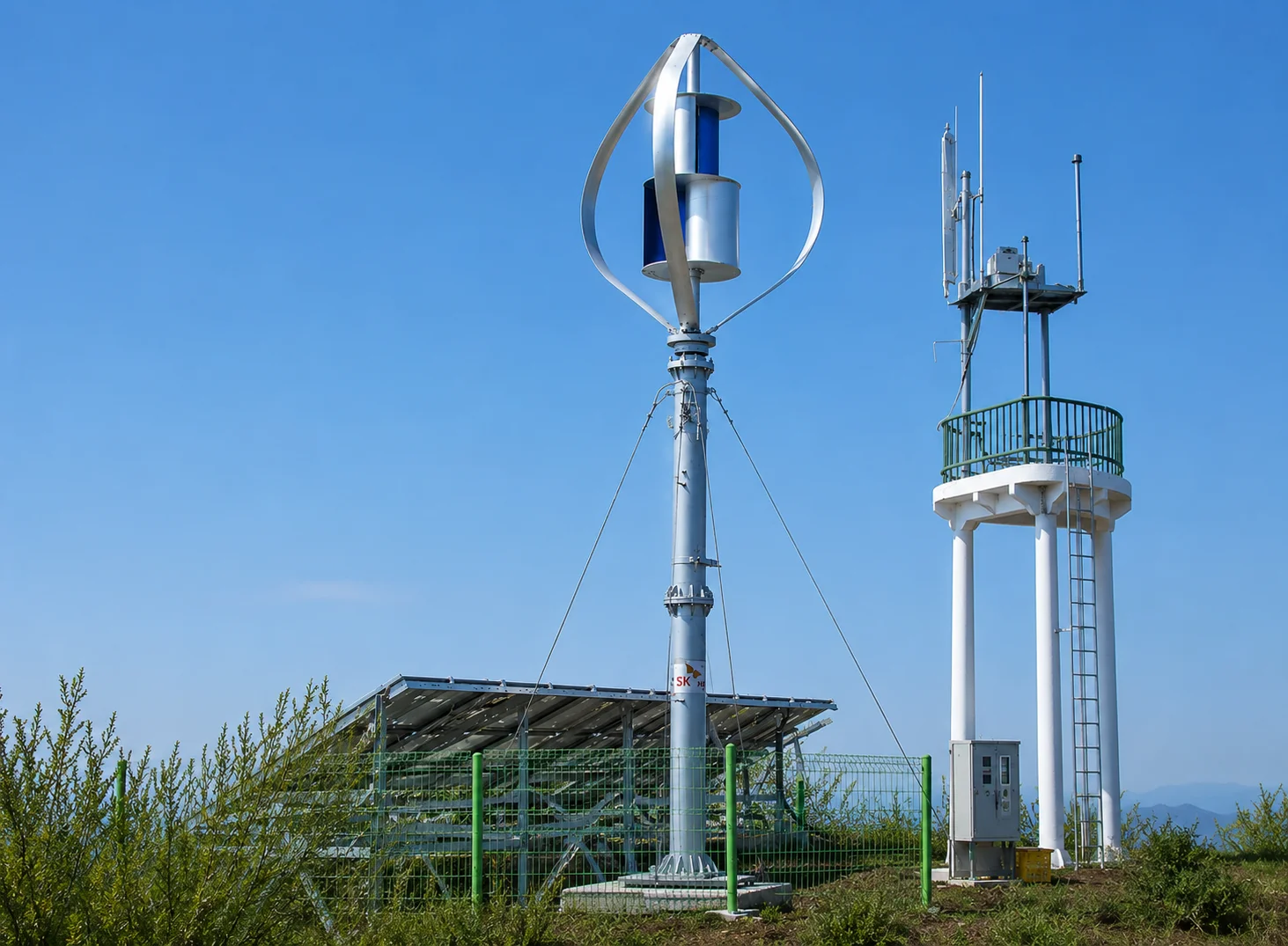
Accelerate your RE100 and sustainability goals with advanced vertical windmills. Generate clean, renewable energy, reduce carbon emissions, and build a greener future with next-generation wind power technology.
 Byadmin
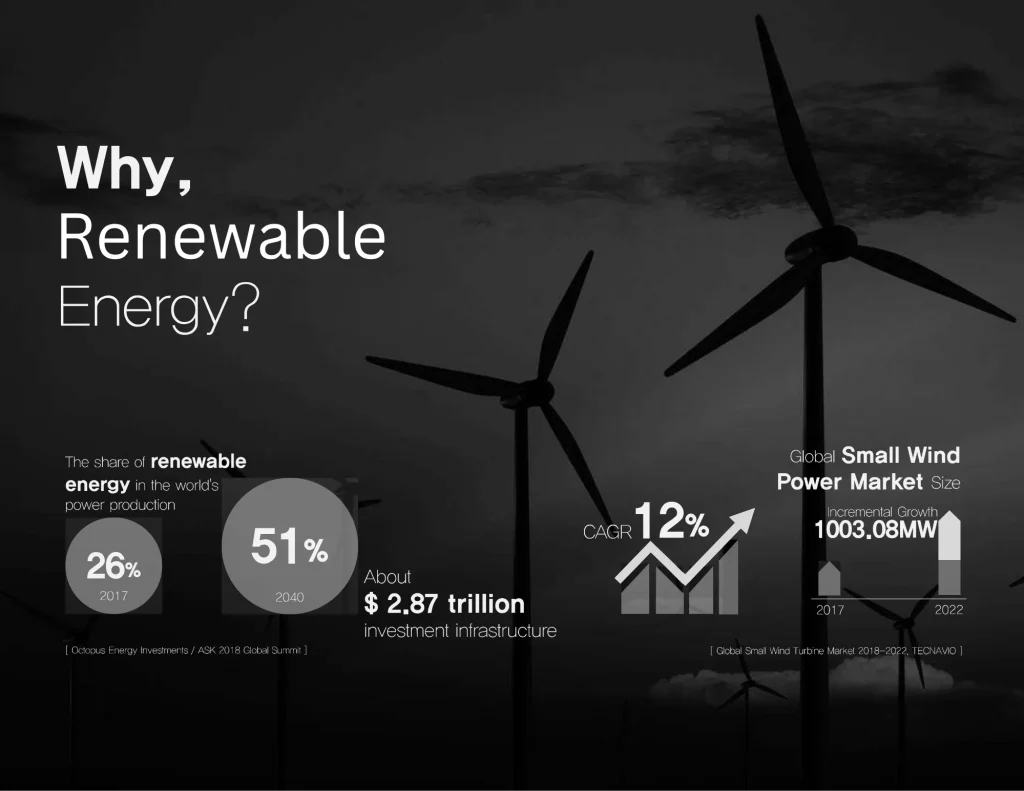
The global energy sector is undergoing the largest transformation in its history. Governments, corporations, and investors are collectively spending trillions of dollars to replace fossil fuels with renewable energy sources. According to the International Energy Agency (IEA), global renewable energy capacity is expected to grow by more than 60% before 2030, with wind and solar accounting for the majority of new electricity generation.
At the same time, more than 400 of the world’s largest companies have joined the RE100 initiative, committing to source 100% of their electricity from renewable energy. These companies collectively consume hundreds of terawatt-hours (TWh) of electricity annually—more than the total power consumption of many countries.
The challenge is clear: Where will all this clean electricity come from?
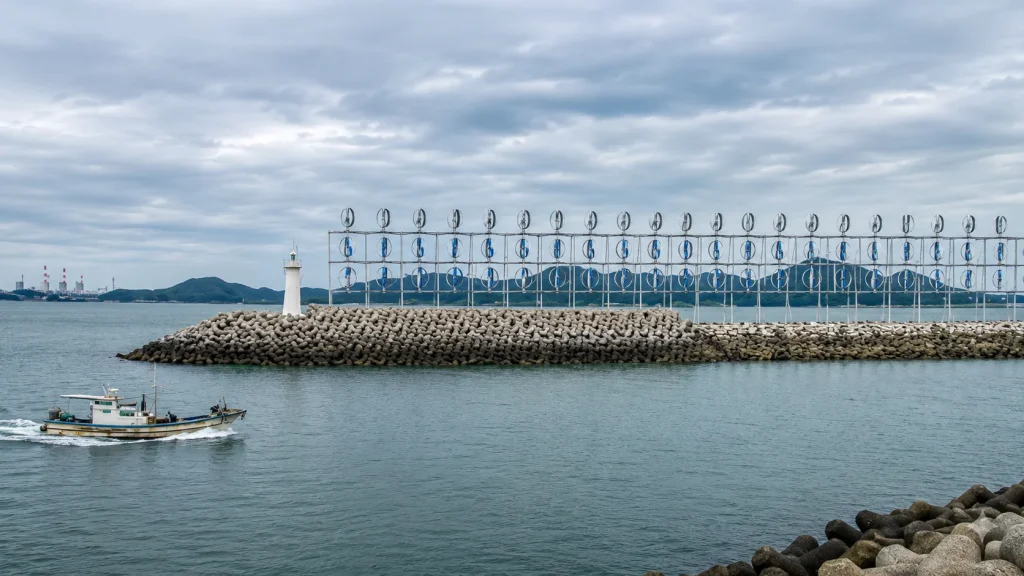
While large solar farms and conventional wind farms remain essential, a new generation of renewable energy technologies is gaining attention. Among them, Vertical Axis Wind Turbines (VAWTs), commonly known as vertical windmills, are increasingly viewed as a practical solution for cities, factories, ports, telecom infrastructure, and commercial buildings.
The renewable energy market is no longer driven solely by environmental concerns. Today, economics are becoming the primary driver.
Key global trends include:
As energy prices fluctuate and geopolitical tensions affect fuel supplies, businesses are increasingly seeking local, reliable, and sustainable energy generation solutions.
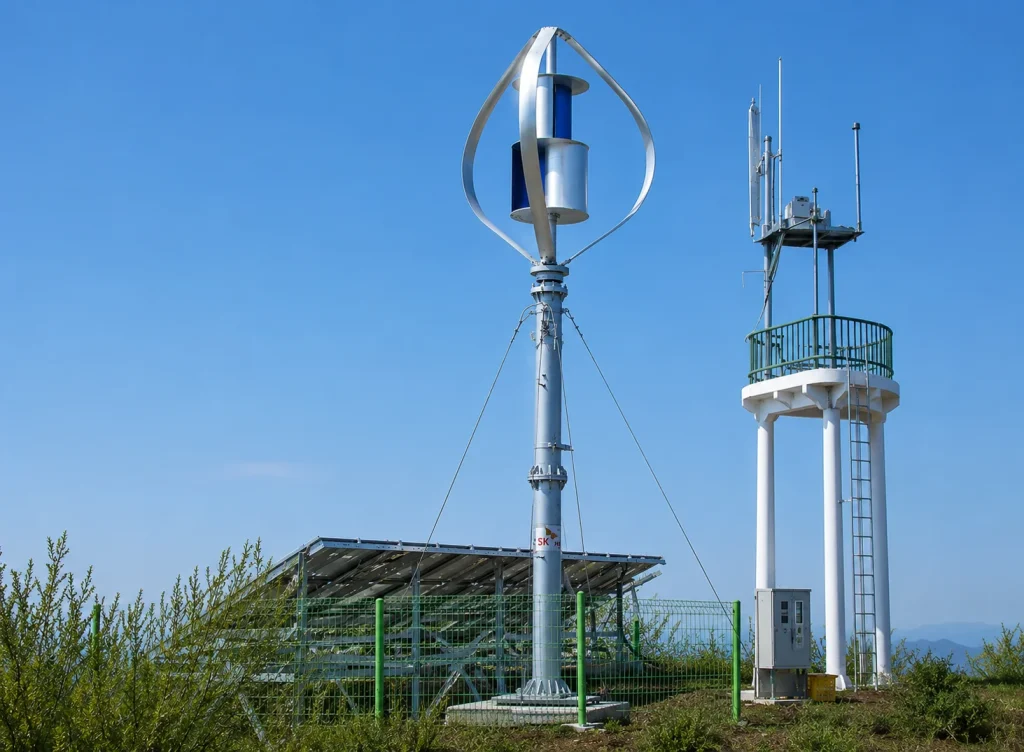
Conventional horizontal-axis wind turbines have transformed renewable energy generation. However, they require:
These requirements make them unsuitable for many urban and industrial locations where electricity consumption is highest.
This is where vertical windmill technology offers a compelling alternative.
Unlike traditional wind turbines, vertical windmills can operate efficiently in turbulent wind environments commonly found around buildings, industrial zones, ports, and dense urban areas.
By 2050, nearly 70% of the world’s population is expected to live in urban areas.
Cities face a difficult challenge:
Vertical wind turbines address these challenges by enabling distributed renewable energy generation directly where power is consumed.
Imagine:
This decentralized approach improves energy resilience while reducing transmission losses.
The RE100 initiative is changing how corporations think about energy.
Global brands are under increasing pressure from investors, customers, and regulators to demonstrate measurable sustainability progress.
Companies pursuing RE100 goals are increasingly looking beyond utility-scale renewable energy procurement and exploring on-site generation solutions.
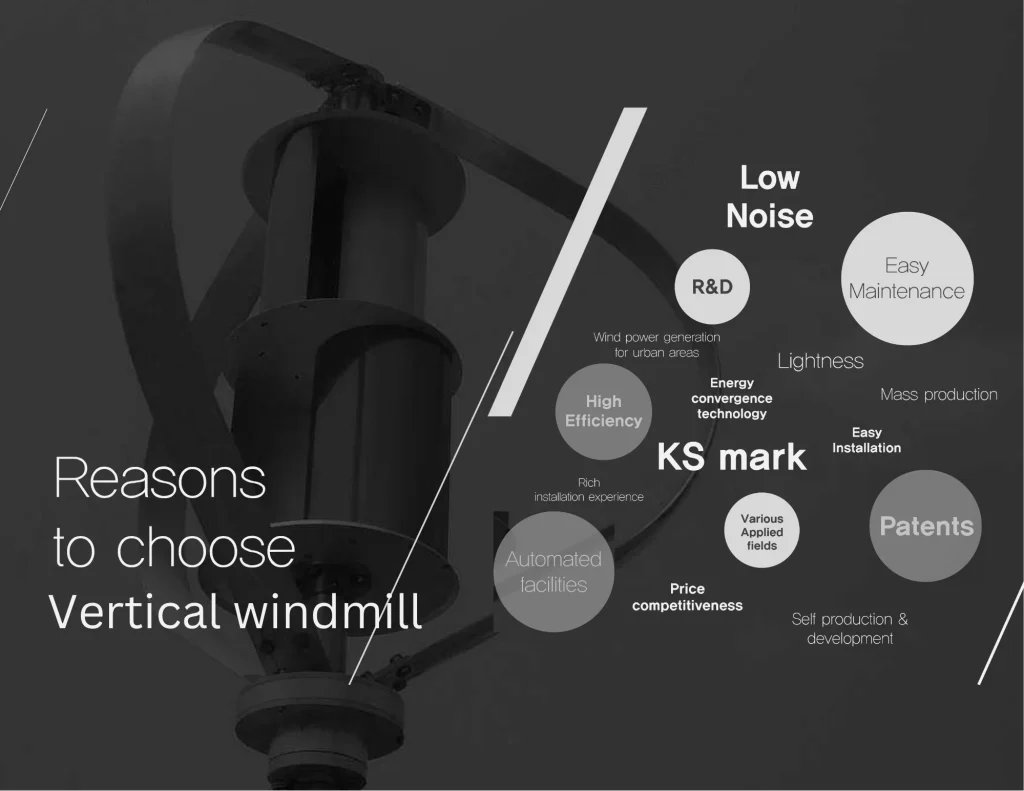
Vertical windmills provide several strategic advantages:
Every kilowatt-hour generated from wind energy directly reduces dependence on fossil-fuel-based electricity.
On-site renewable energy generation reduces exposure to grid disruptions and rising electricity prices.
Environmental, Social, and Governance (ESG) metrics are becoming critical for attracting investment and maintaining stakeholder confidence.
Although initial installation requires investment, renewable energy systems can provide decades of electricity generation with relatively low operating costs.
Countries such as Bangladesh, Nigeria, Kenya, Vietnam, and Indonesia face growing electricity demand due to rapid industrialization and urbanization.
At the same time, many of these countries remain dependent on imported fossil fuels.
Vertical windmill technology presents a unique opportunity to:
For Bangladesh in particular, where industrial zones, telecom infrastructure, ports, and commercial developments continue to expand, distributed wind energy systems could complement solar power and strengthen national renewable energy goals.
Governments worldwide are introducing policies to accelerate renewable energy adoption.
Future policies are likely to include:
Organizations that invest early in renewable energy infrastructure will be better positioned to meet future regulatory requirements while gaining competitive advantages.
The next decade will not be defined by a single renewable technology. Instead, success will come from combining multiple energy sources into intelligent, resilient systems.
Solar energy will continue to dominate daytime generation.
Battery storage will improve grid stability.
Artificial intelligence will optimize energy management.
And vertical windmills will increasingly play an important role in generating clean electricity in locations where traditional wind turbines cannot operate effectively.
The question is no longer whether renewable energy will dominate the future.
The question is which organizations will position themselves early enough to benefit from the transition.
For businesses pursuing RE100 commitments, governments implementing net-zero strategies, and investors seeking long-term sustainability opportunities, vertical windmill technology may become one of the most important components of the future energy ecosystem.